Outside in
Assess what the internet can see and which exposed services present a realistic route into the organisation.
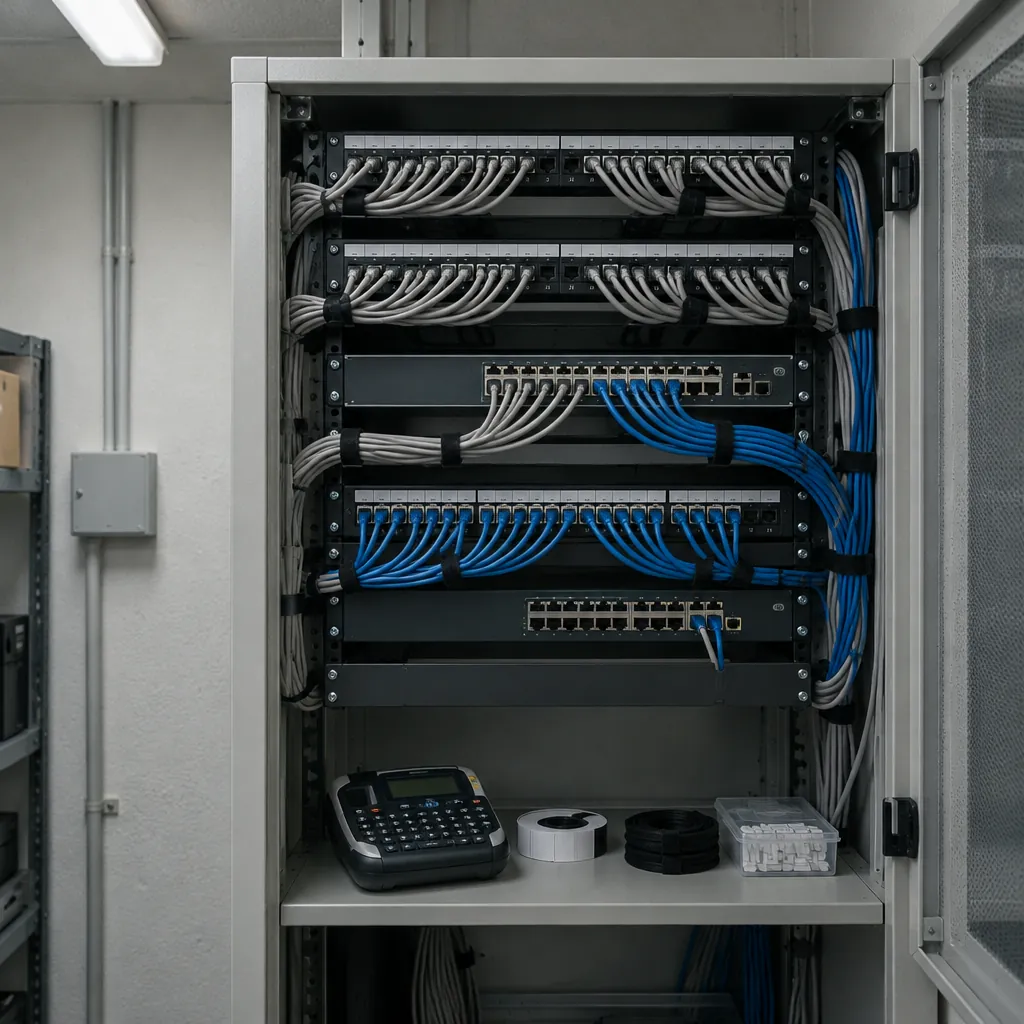
External and internal infrastructure penetration testing that shows how an attacker could get in and how far they could go once inside.
Attackers look for the weakest way in, then the quickest route to the systems and data that matter. Infrastructure penetration testing follows the same logic, within boundaries you agree, so you can close the paths before someone else finds them.
External testing examines what your organisation exposes to the internet: remote access, email and web services, and anything else reachable from outside. Internal testing starts from inside the network, as a compromised laptop or a malicious insider would, and examines how far that foothold could be extended.
GIFGIF is CREST accredited and an NCSC CHECK company. Findings are prioritised by real-world impact, so your team knows which issues open a path to critical systems and which can wait for routine maintenance.
No permission. No test.
Authorisation. Testing requires written authority over every in-scope address and system, agreed timings and rules of engagement. Results are point-in-time observations, not a guarantee of security or coverage of untested systems. Remediation remains with the system owner; any retesting must be separately confirmed.
A realistic view of your network exposure. A list of vulnerabilities is less useful than knowing which of them lead somewhere. We connect individual weaknesses into the paths an attacker could actually follow.
Assess what the internet can see and which exposed services present a realistic route into the organisation.
Show how far a single compromised device or account could reach across the internal network.
Rank findings by the systems and data they put at risk, so effort goes where it matters first.
The work is defined by the systems and applications agreed for this assessment. These descriptions do not expand that scope.
Assess the services and systems your organisation exposes to the internet.
We identify the in-scope internet-facing hosts and services, then test them for weaknesses such as unpatched software, exposed management interfaces, weak remote access and misconfiguration. Hosted and cloud-based services are included where you own them and have authority to have them tested.
The result is a clear picture of your external attack surface and which parts of it present a realistic route in.
Test what an attacker could reach after gaining a foothold inside the network.
Starting from an agreed position, such as a standard user device or network port, we assess network segmentation, server and workstation configuration, credential handling and the services visible from inside. This shows whether a single compromised device could lead to a wider breach.
Activity is planned around your operations, with agreed time windows and contacts in case anything unexpected affects a live service.
Examine the identity systems that control access across the organisation.
Active Directory and related identity services are often the route from an ordinary account to full control of a network. Where in scope, we review how privileges are assigned and test for common escalation paths, weak service accounts and excessive permissions.
Findings explain each path step by step, so your team can break it at the most practical point.
Written authorisation, identified targets and agreed rules of engagement are prerequisites. Activity stays within that scope.
From the brief to useful security findings. We agree the objective, written authority and rules of engagement before assessing the named systems and explaining the results.
We clarify the decision, parties or systems in scope, intended use and lawful purpose of the work.
Written permission, identified targets, exclusions and rules of engagement are established before testing.
Information is considered for source, date, relevance and corroboration; uncertainty is not converted into a conclusion.
The account explains what was observed, what it may mean, what remains unresolved and the limits of the work.
When infrastructure testing is commonly commissioned. Examples to help frame an enquiry; these are not case histories.
An organisation may test its external and internal infrastructure each year to track progress and satisfy auditors or insurers.
A merger, office move, cloud migration or new remote access solution can change what is exposed and warrant a fresh assessment.
ISO/IEC 27001 programmes, enterprise customers and supply chain questionnaires often ask for evidence of recent infrastructure testing.