Evidence preserved from the start
Logs, memory and disk evidence are captured before containment steps overwrite them.
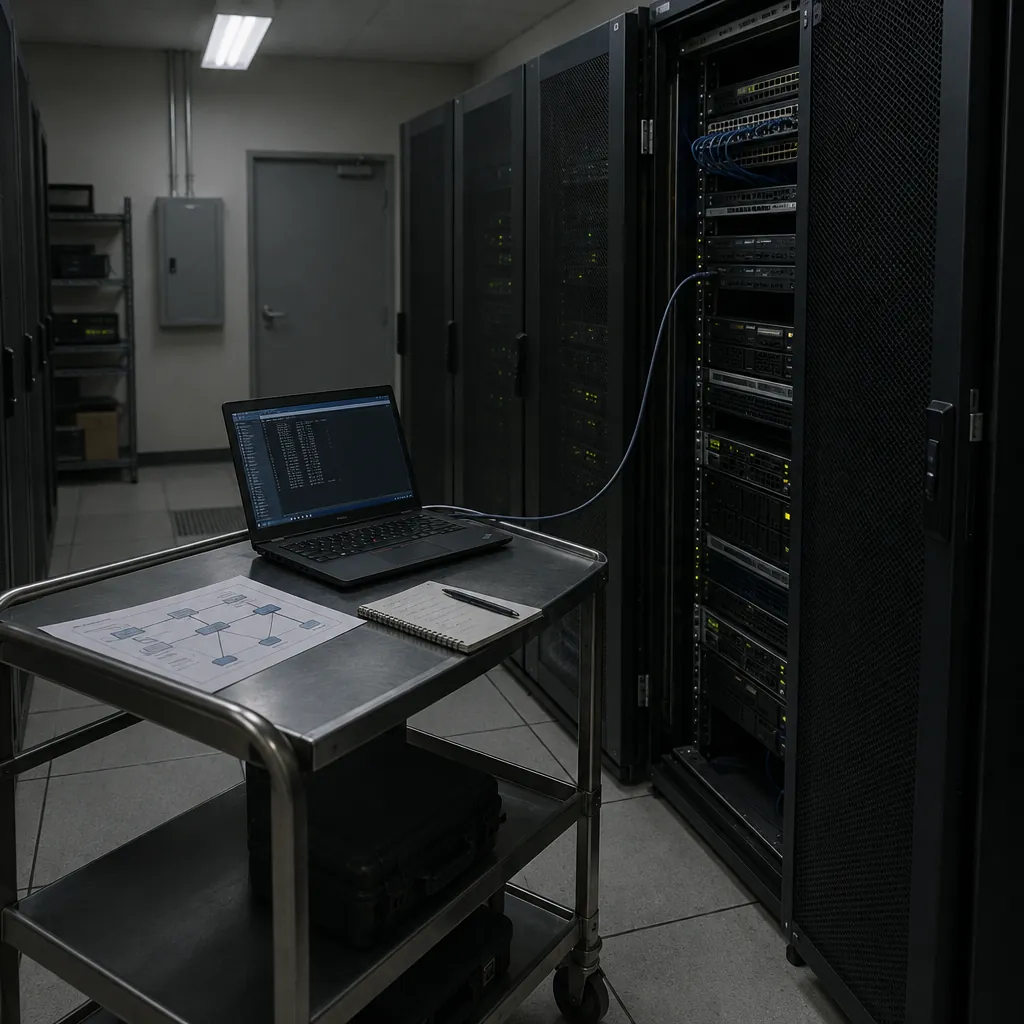
Respond to a cyber incident with forensic investigation built in: contain it, preserve the evidence, find out what happened and what data was affected.
Ransomware, a compromised mailbox, a suspicious payment or unusual activity on a network all demand a fast response. The first instinct is to wipe and rebuild, but that can destroy the evidence needed to understand how the attacker got in, what they took and whether they are still there.
Our incident response combines containment with forensic investigation from the start. We help you stop the spread, preserve logs, memory and disk evidence, establish the root cause and determine which systems and data were affected. Work is carried out under ISO/IEC 17025 accreditation for digital forensics, so the evidence can be relied on if the matter leads to litigation, an insurance claim or a criminal complaint.
Where personal data may be involved, our findings help you decide whether the breach must be reported to the Information Commissioner’s Office, which under UK GDPR is normally required within 72 hours of becoming aware of a reportable breach, and what to tell affected individuals.
Suspicion directs the inquiry. Evidence determines what can be said.
Our standard. Response and investigation require the system owner’s authority and cooperation from IT providers. Findings depend on the logs and evidence available, which may be limited if they were not retained or have been overwritten. Regulatory decisions remain with the organisation and its advisers.
Response and forensics in one team. Many incident responses fix the immediate problem and lose the evidence. Ours preserve it from the first hour, so you can answer the questions that come later from your board, insurer, regulator or the courts.
Logs, memory and disk evidence are captured before containment steps overwrite them.
Establish which data was accessed or taken, to inform ICO and customer notification decisions.
Root cause findings feed directly into remediation, and our offensive security team can test the fixes.
Suspicions start an inquiry. Sourced observations, analysis and open questions remain distinct throughout.
Understand the scale of the incident and stop it getting worse.
We work with your IT team or provider to assess what is happening, isolate affected systems and accounts, and put short-term controls in place, while capturing the evidence that containment might otherwise destroy.
Priorities are agreed with you so that business-critical services are protected and decisions are documented.
Establish how the attacker got in, what they did and whether they are still present.
Analysis of endpoints, servers, email and cloud logs reconstructs the attack: the initial access, the accounts and systems used, persistence mechanisms and any data accessed or taken.
The findings tell you which weaknesses to fix so the same route cannot be used again, and give a clear account for your board, insurers and regulators.
Support the decisions that follow an incident.
Reports set out the timeline, impact and evidence in a form suitable for your board, insurer, the ICO or law enforcement. Where data has been affected, we help establish whose data and what kind, so notification decisions rest on facts.
We can also advise on recovery and hardening, and on testing the fixes through our offensive security team.
Follow the question through the evidence.
From the question to useful findings. We agree the question, identify relevant sources and organise the findings around the decision the work should inform.
We clarify the decision, parties or systems in scope, intended use and lawful purpose of the work.
Relevant time periods, source types, confidentiality considerations and exclusions are agreed before research begins.
Information is considered for source, date, relevance and corroboration; uncertainty is not converted into a conclusion.
The account explains what was observed, what it may mean, what remains unresolved and the limits of the work.
Incidents we are commonly called to. Examples to help frame an enquiry; these are not case histories.
An organisation may need to contain the attack, preserve evidence and understand whether data was taken before systems are restored.
A business may need to know what an attacker read, sent or forwarded, often after a fraudulent payment request.
An employer may need to establish whether a member of staff accessed or removed data they should not have.