Surveys, not assumptions
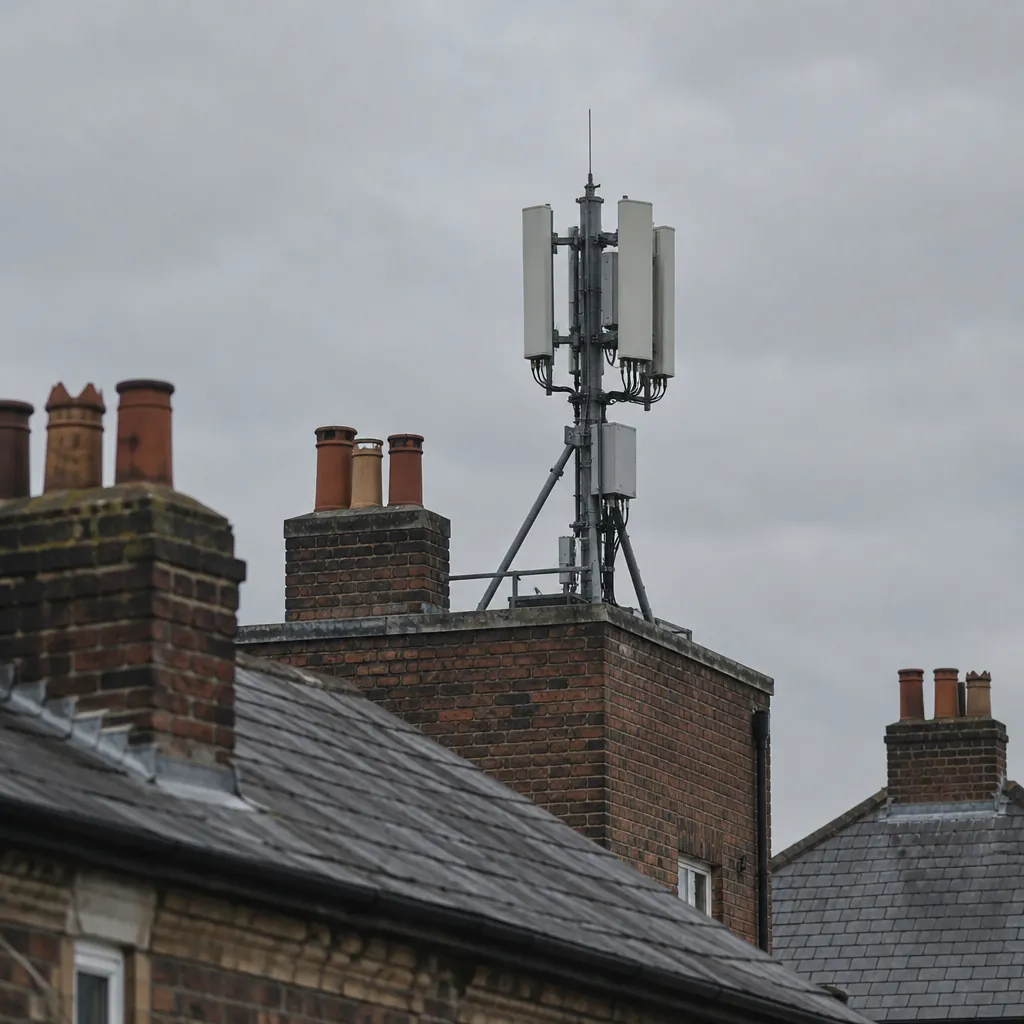
Radio frequency surveys test which cells really serve the locations that matter.
Expert analysis of mobile phone location evidence from call data records and radio frequency surveys, for criminal defence, prosecution and civil proceedings.
Every time a phone makes or receives a call, sends a message or uses data, the network records which cell served it. Those call data records can show whether a phone’s activity is consistent with it being in a particular area at a particular time.
Cell site analysis combines the network records with radio frequency surveys of the cells that cover the locations in question. Done properly, it can support or undermine an account of movement. Done badly, it can be presented as more precise than it is. A cell covers an area, not a point, and the analysis has to say so.
GIFGIF provides cell site analysis for criminal defence teams, law enforcement and prosecutors, and for civil matters where location is in dispute. Our analysts carry out the surveys, interpret the records and prepare expert reports that set out the limits of the evidence as clearly as the findings.
Suspicion directs the inquiry. Evidence determines what can be said.
Our standard. Cell site analysis indicates whether phone activity is consistent with an area, not an exact position. Findings depend on the records disclosed and the survey conditions, and are reported with those limits. Conclusions remain for the court to draw.
Location evidence presented as precisely as it deserves. Cell site evidence is persuasive and easy to overstate. We combine careful record analysis with properly documented surveys and say plainly where the evidence stops.
Radio frequency surveys test which cells really serve the locations that matter.
We act for either side and can review and respond to another expert’s analysis.
Maps, timelines and plain explanations help a judge or jury follow the evidence.
Suspicions start an inquiry. Sourced observations, analysis and open questions remain distinct throughout.
Interpret the network operator records for the phones and period in question.
We analyse the call data records and cell information provided by the network operators, attribute activity to phones and users where the evidence supports it, and present patterns of use and movement over time.
Records are checked for gaps, inconsistencies and the assumptions behind them, so the analysis rests on a sound understanding of the data.
Test which cells actually serve the locations that matter to the case.
Surveys at the relevant locations, and along routes where needed, measure which cells provide service there. This shows whether a phone using a given cell is consistent with being at a particular address, and whether it is also consistent with being somewhere else.
Survey methods, equipment and timing are documented so the work can be reviewed by the other side’s expert.
Reports and testimony that explain location evidence to a jury or judge.
Reports are prepared in line with Part 19 of the Criminal Procedure Rules or CPR Part 35, with maps and timelines that make the analysis easy to follow. Where we act for the defence, we can review and respond to the prosecution’s cell site evidence.
Our analysts can give evidence in court and explain both what the data shows and where its limits lie.
Follow the question through the evidence.
From the question to useful findings. We agree the question, identify relevant sources and organise the findings around the decision the work should inform.
We clarify the decision, parties or systems in scope, intended use and lawful purpose of the work.
Relevant time periods, source types, confidentiality considerations and exclusions are agreed before research begins.
Information is considered for source, date, relevance and corroboration; uncertainty is not converted into a conclusion.
The account explains what was observed, what it may mean, what remains unresolved and the limits of the work.
When cell site analysis is commonly instructed. Examples to help frame an enquiry; these are not case histories.
A defence team may need an independent review of how the Crown has interpreted phone location data.
Investigators or prosecutors may need to test whether phone activity supports or contradicts a suspect’s or witness’s account.
A party to a civil claim may need expert evidence on whether someone could have been where they say they were.